Here’s something I see all the time: a homeowner calls us about a spike in their water bill. They think it’s a meter issue or a rate increase. Nine times out of ten, it’s a leak — and it’s been running for weeks.
Hidden leaks are sneaky. You can’t see them, but they’re costing you money every single day. Here are the five we find most often in Monmouth County homes.
1. The Running Toilet
This one is the biggest offender and the most underestimated. A toilet that runs constantly can waste 200 gallons of water per day — that’s over $50 a month, quietly draining away.
How to spot it: Drop a few drops of food coloring in the tank. Don’t flush. If the color shows up in the bowl within 15 minutes, your flapper is leaking.
The fix is usually a $10 flapper. We replace dozens of them a week.
2. The Dripping Faucet
A faucet dripping once per second wastes about 3,000 gallons a year. That’s a full month of drinking water for most families.
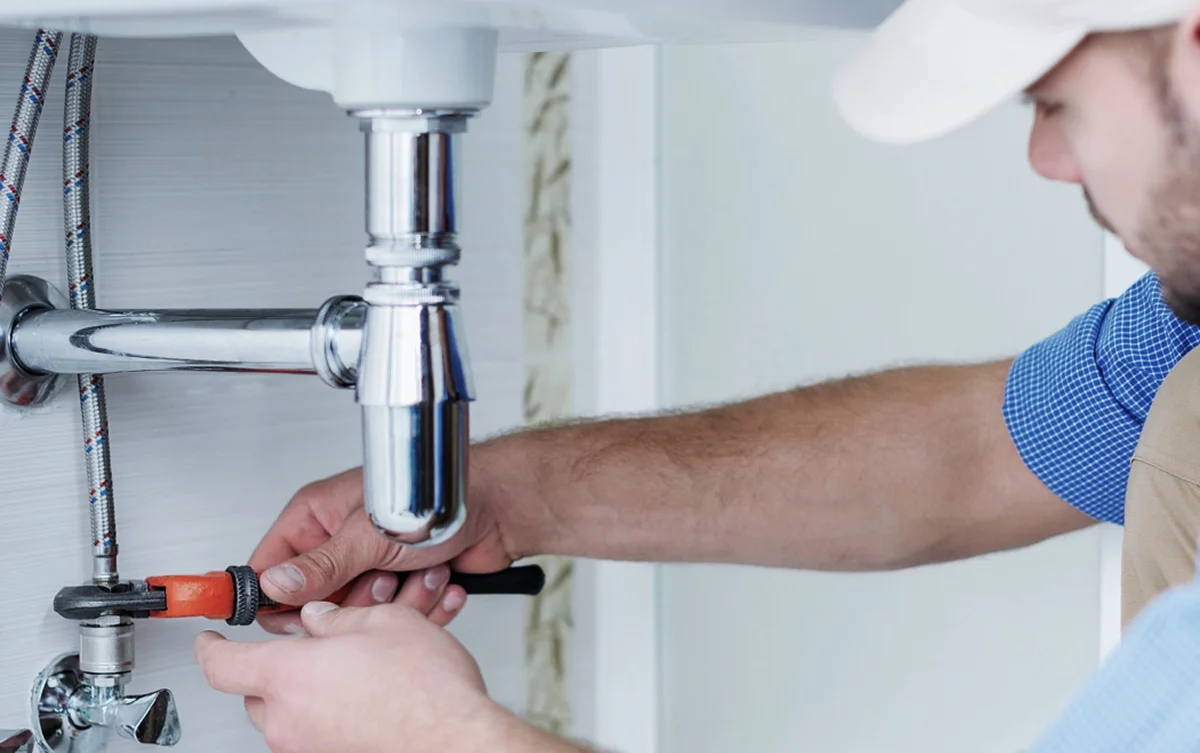
How to spot it: Listen. Slow, steady drip after you shut it off. Usually a worn cartridge or O-ring.
3. The Pinhole Pipe Leak Behind a Wall
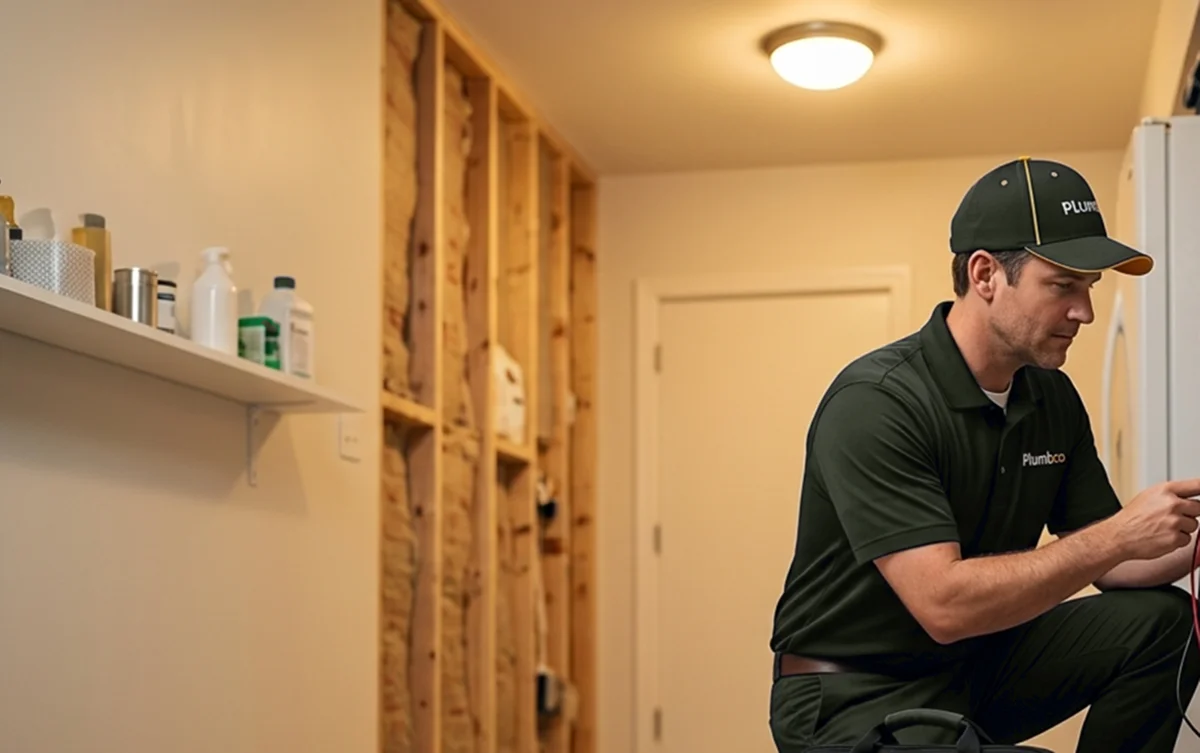
This one is the scary one. Small pinhole leaks in copper pipes can run for months before you notice. By then, you’ve got mold, rotted drywall, or damaged framing.
How to spot it: Unexplained damp spots, bubbling paint, soft drywall, or a musty smell in a room that should be dry. Your water bill rising for no reason is a classic early sign.
Don’t ignore it. Call us for a leak detection visit.
4. The Outdoor Spigot You Forgot to Winterize
Outdoor hose bibs that weren’t properly shut off in the fall can crack and leak slowly all winter — into your wall, not outside where you’d see it.
How to spot it: Water damage in the garage or near an exterior wall in spring. Soggy drywall by a hose bib you haven’t checked in months.
5. The Water Heater Slow Drip
Water heaters often start leaking from fittings or the pressure relief valve before the tank itself fails. A small drip can mean the end is near — or just a loose fitting.
How to spot it: Any moisture, rust streaks, or standing water around the base of your water heater. Check once a month — it takes 10 seconds.
When to Call Us
Any hidden leak you can’t find yourself is worth a professional look. We use acoustic sensors and thermal imaging to find leaks without tearing up your walls.
Catching it early is almost always cheaper than catching it late.
Call (732) 996-8784 or schedule a boiler check at plumbconj.com.